

 English
 Español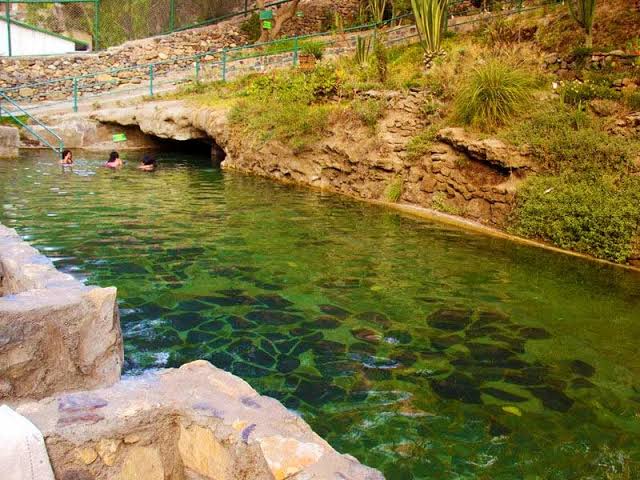

Thermalism in Peru is an ancient practice that has accompanied its inhabitants from pre-Hispanic times to the present, blending the country’s natural wealth with deep cultural traditions and therapeutic benefits.
Peru’s hot springs emerge from the earth’s crust in various regions, many at high altitudes in the Andes, each with unique mineral compositions that give them healing properties. The use of these waters serves not only medical needs but also spiritual and social ones, being spaces for gathering and celebration.
Ancestral History and Legacy
The knowledge and care of hot springs in Peru date back to civilizations like the Wari and the Incas. The Incas considered these waters as sacred gifts from Pachamama (Mother Earth) and the Apus (mountain spirits). Inca emperors enjoyed thermal baths as a means of healing and relaxation—a sacred and exclusive practice documented in chronicles and archaeological ruins.
After the Spanish colonization, these customs merged with European traditions that promoted the benefits of mineral waters and the construction of spas, creating a cultural syncretism that persists today and appeals to both locals and tourists.
Main Hot Spring Destinations in Peru
Peru boasts an impressive array of hot springs, each with unique characteristics and privileged natural surroundings.
- Baños del Inca – Cajamarca:
Located six kilometers from Cajamarca city, these are among the most recognized and visited hot springs. Temperatures reach up to 79°C, with high concentrations of sodium, calcium, and manganese. Traditionally used to relieve skin diseases, arthritis, and rheumatic problems. The complex offers private and public pools, outdoor baths, and modern infrastructure that respects the natural environment. - La Raya Hot Springs – Cusco:
Situated on a high plateau between Cusco and Puno, surrounded by majestic snow-capped peaks and Andean landscapes. Water temperatures range from 12°C to 60°C, ideal for relieving joint and muscle pain caused by cold and altitude. Facilities include pools, saunas, and rest areas for a complete body and soul experience. - Aguas Calientes – Machu Picchu:
Located in the heart of the Cusco high jungle, Aguas Calientes stands out not only as the gateway to Machu Picchu but also for its sulfurous hot springs. These natural pools maintain temperatures between 38°C and 46°C, perfect for relaxing after long hikes and archaeological exploration. - Churín Hot Springs – Lima:
More accessible for those visiting or living in Lima, Churín’s hot springs are ideal for quick getaways. Their mineral-rich waters are used to treat rheumatic and respiratory problems. The surrounding spas offer lodging, spas, and recreational spaces. - Yura Hot Springs – Arequipa:
Located 28 kilometers from Arequipa, these hot springs are famous for their healing properties for skin, respiratory, and muscular diseases. The springs, considered sacred since pre-Hispanic times, remain a hub for health tourism. The volcanic and arid surroundings highlight the contrast of warm waters amid stark, beautiful landscapes.
Cultural and Touristic Importance
Beyond their medicinal benefits, Peruvian hot springs represent a connection between people and nature, preserving ancestral knowledge and offering comprehensive relaxation experiences. Thermal tourism in Peru boosts local economies and promotes the appreciation of traditions. Peruvian thermalism is a gateway to discovering a diverse country while caring for health and participating in collective rituals that honor the earth.
0 Comment